
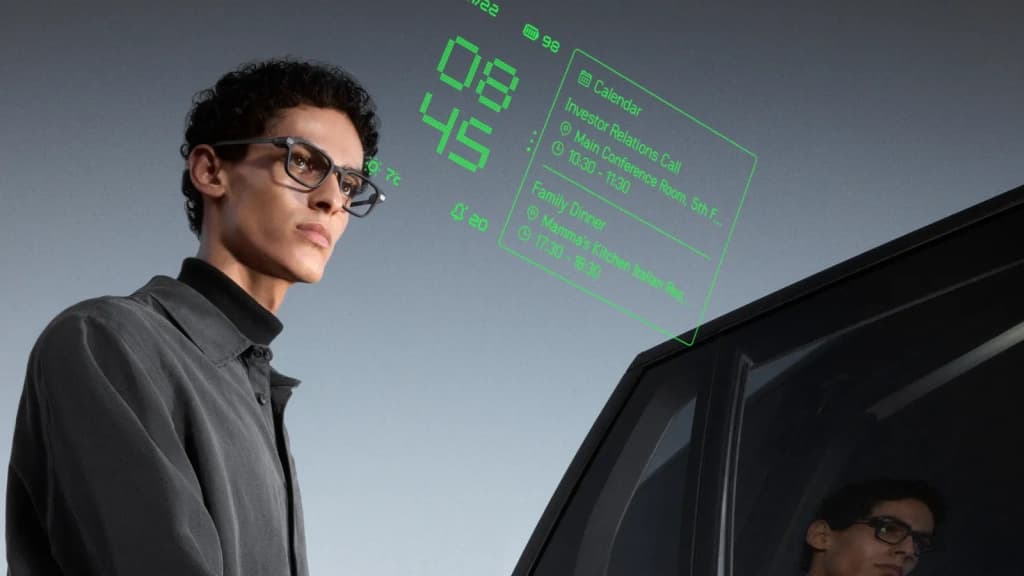
Wearable technology is creating new opportunities for workplace productivity, but it is also raising concerns about employee privacy, confidentiality and data protection. Smart glasses equipped with discreet cameras and AI-powered features are making it easier to record conversations and workplace activities without attracting attention.
Employment law experts at TWM Solicitors are warning employers to review their workplace policies as the use of smart glasses becomes more widespread.
Covert Recording Creates New Workplace Risks
Unlike smartphones, smart glasses allow users to record videos and conversations hands-free, often without making it obvious to people nearby.
According to TWM Solicitors, this creates risks for businesses because employees could unintentionally or deliberately capture sensitive information, including:
Confidential client meetings and commercial negotiations.
Information displayed on computer screens and mobile devices.
Private conversations between colleagues.
Human resources discussions and disciplinary meetings.
Business documents and commercially sensitive information.
Such recordings could lead to workplace disputes, confidentiality breaches and concerns about how recorded material is stored or shared.
The legal implications can also be complex. Employment tribunals may admit covert recordings as evidence depending on the circumstances, even when the recording was made in breach of workplace policies.
Data Protection and Employee Privacy Concerns
Smart glasses can create additional responsibilities under UK data protection legislation, including the UK GDPR.
Recording colleagues, customers or confidential documents may involve processing personal data. Employers therefore need to consider whether appropriate policies, safeguards and lawful grounds for processing are in place.
There are also wider cultural implications. Employees and customers may feel uncomfortable if they believe conversations can be recorded without their knowledge.
Oliver Milton of TWM Solicitors warns that increasingly discreet recording technology could undermine workplace trust and create disputes involving privacy, confidentiality and employee relationships.
Employers Face Additional Harassment Responsibilities
The article also highlights changes to UK workplace harassment responsibilities.
From October 2026, employers are expected to face liability for third-party harassment of employees by customers unless they can demonstrate that they have taken all reasonable steps to prevent it.
This is particularly relevant to sectors such as hospitality, retail and leisure, where employees regularly interact with customers.
Businesses may therefore need to consider whether restrictions on photographing or recording employees should form part of their workplace harassment prevention measures.
Smart Glasses Could Also Support Workplace Accessibility
Despite the risks, smart glasses should not automatically be treated as unwanted workplace devices.
For some employees with disabilities, they can provide valuable assistance and potentially qualify as reasonable adjustments under the UK's Equality Act 2010.
Possible applications include:
Real-time captions and transcription for employees with hearing impairments.
Audio assistance and visual prompts.
Hands-free access to workplace information.
Reminders and support for some neurodivergent employees.
TWM Solicitors cautions that employers should avoid introducing blanket bans without considering individual circumstances. Restricting devices that could provide reasonable workplace adjustments may create discrimination risks.
HR Teams Should Review Existing Workplace Policies
As wearable technology becomes more common, employers should assess whether their existing policies adequately address smart glasses and similar devices.
TWM Solicitors recommends reviewing:
Disciplinary and grievance procedures.
Data protection and confidentiality policies.
IT and communication policies.
Social media and recording policies.
Rules covering consent and workplace photography.
Employers should also train managers to recognise potential misuse and communicate the consequences of unauthorised recording.
Balancing Workplace Innovation and Employee Protection
Smart glasses demonstrate how quickly emerging technology can create new challenges for HR teams. While these devices may improve accessibility and support workplace productivity, they also introduce risks involving privacy, confidential information and employee relationships.
For organisations, the priority should be to establish clear and proportionate policies that protect employees and business information without preventing legitimate accessibility benefits.
As wearable AI technology continues to develop, HR departments will need to ensure that workplace policies evolve alongside it.