Employers Face Growing Legal Risks as Smart Glasses Raise Workplace Privacy Concerns
The growing popularity of AI-powered smart glasses is creating new legal and operational challenges for employers. Employment law experts are warning businesses to review their workplace policies as wearable devices make it easier to capture photographs, videos and conversations without attracting attention.
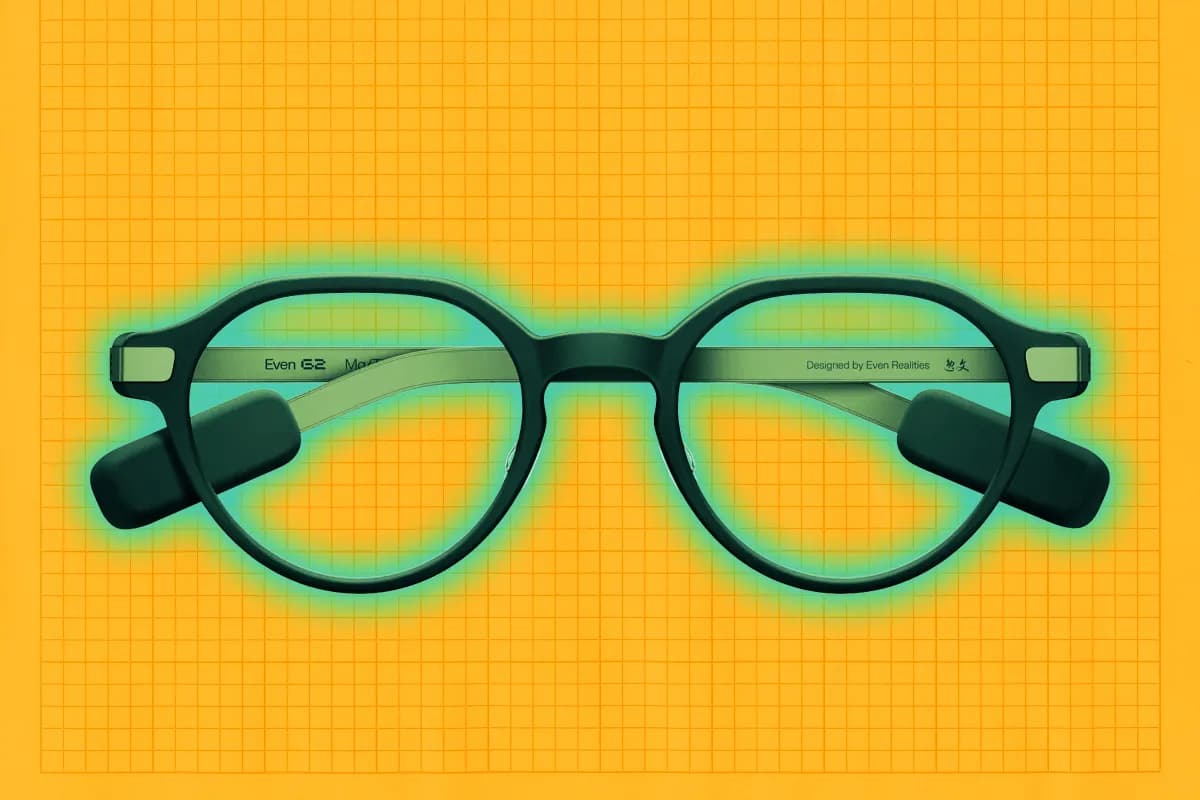
Smart glasses, including products such as Ray-Ban Meta, combine everyday eyewear with cameras, microphones and artificial intelligence features. While these technologies can support communication and productivity, their discreet recording capabilities raise concerns about employee privacy, confidentiality, data protection and workplace conduct.
According to TWM Solicitors, employers need to consider how these devices could affect workplace relationships and their legal responsibilities.
Covert Recording Creates New Workplace Risks
Unlike smartphones, smart glasses can record audio and video hands-free, making it less obvious when someone is capturing information.
Employees could unintentionally or deliberately record sensitive workplace material, including:
Client meetings and confidential business discussions.
Commercial negotiations and internal strategy sessions.
Information displayed on computer screens or documents.
Conversations between colleagues and managers.
HR meetings, disciplinary hearings and grievance discussions.
Covert recording can create disputes over confidentiality, workplace conduct and the accuracy or context of recorded conversations. Even when a recording breaches company policy, employment tribunals may still admit it as evidence depending on the circumstances.
Oliver Milton of TWM Solicitors warns that increasingly discreet recording technology could undermine workplace trust and make confidential information more vulnerable.
Data Protection and Confidentiality Concerns
Recording colleagues, customers or workplace documents may involve the processing of personal data. Employers therefore need to consider their responsibilities under UK data protection legislation, including the UK GDPR.
Businesses should understand what information may be captured, how recordings are stored, who can access them and whether they could be shared externally.
The risks extend beyond personal information. Smart glasses may also capture trade secrets, client information, intellectual property and commercially sensitive material.
Organisations that fail to establish appropriate safeguards could face complaints, workplace disputes and potential data protection consequences.
Employers Face Additional Harassment Responsibilities
The article also highlights changes to employer responsibilities concerning third-party harassment.
From October 2026, employers are expected to face liability for harassment of employees by third parties, such as customers, unless they can demonstrate that they took all reasonable steps to prevent it.
This is particularly relevant to hospitality, retail and leisure businesses, where employees regularly interact with customers.
Employers may need to consider whether restrictions on photographing or recording staff should form part of their wider harassment-prevention measures.
Smart Glasses Can Also Support Workplace Accessibility
Despite the risks, employment experts caution against introducing blanket bans without considering individual circumstances.
Smart glasses may provide useful support for employees with visual or hearing impairments and some neurodivergent conditions. Features such as real-time captions, transcription, audio assistance and visual prompts can help employees perform their work more effectively.
In certain situations, smart glasses could be considered a reasonable workplace adjustment under the Equality Act 2010.
Employers should therefore assess individual requests carefully and balance accessibility requirements with privacy and confidentiality protections.
HR Policies Employers Should Review
Businesses should assess whether existing workplace policies adequately cover wearable technology and AI-enabled recording devices.
Important areas to review include:
Data protection policies: Define how personal information and workplace recordings must be handled.
Confidentiality policies: Protect client information, trade secrets and internal discussions.
Disciplinary and grievance procedures: Explain the consequences of unauthorised recording.
IT and communication policies: Clarify when wearable devices may be used.
Social media policies: Address the sharing of workplace photographs, videos and conversations.
Employers should also train managers to recognise potential misuse and establish clear rules about recording, consent and permitted use.
What This Means for the Future of HR Management
Smart glasses demonstrate how quickly emerging technologies can create challenges for workplace governance.
For HR teams, managing wearable technology will require more than introducing restrictions. Businesses must protect employee privacy, maintain confidentiality, prevent harassment and consider reasonable adjustments for employees who may benefit from assistive technology.
As AI-powered wearables become more common, organisations that update their policies and educate employees early will be better positioned to manage risks while making responsible use of new workplace technology.Smart Glasses at Work: Legal Risks and HR Policies for Employers