
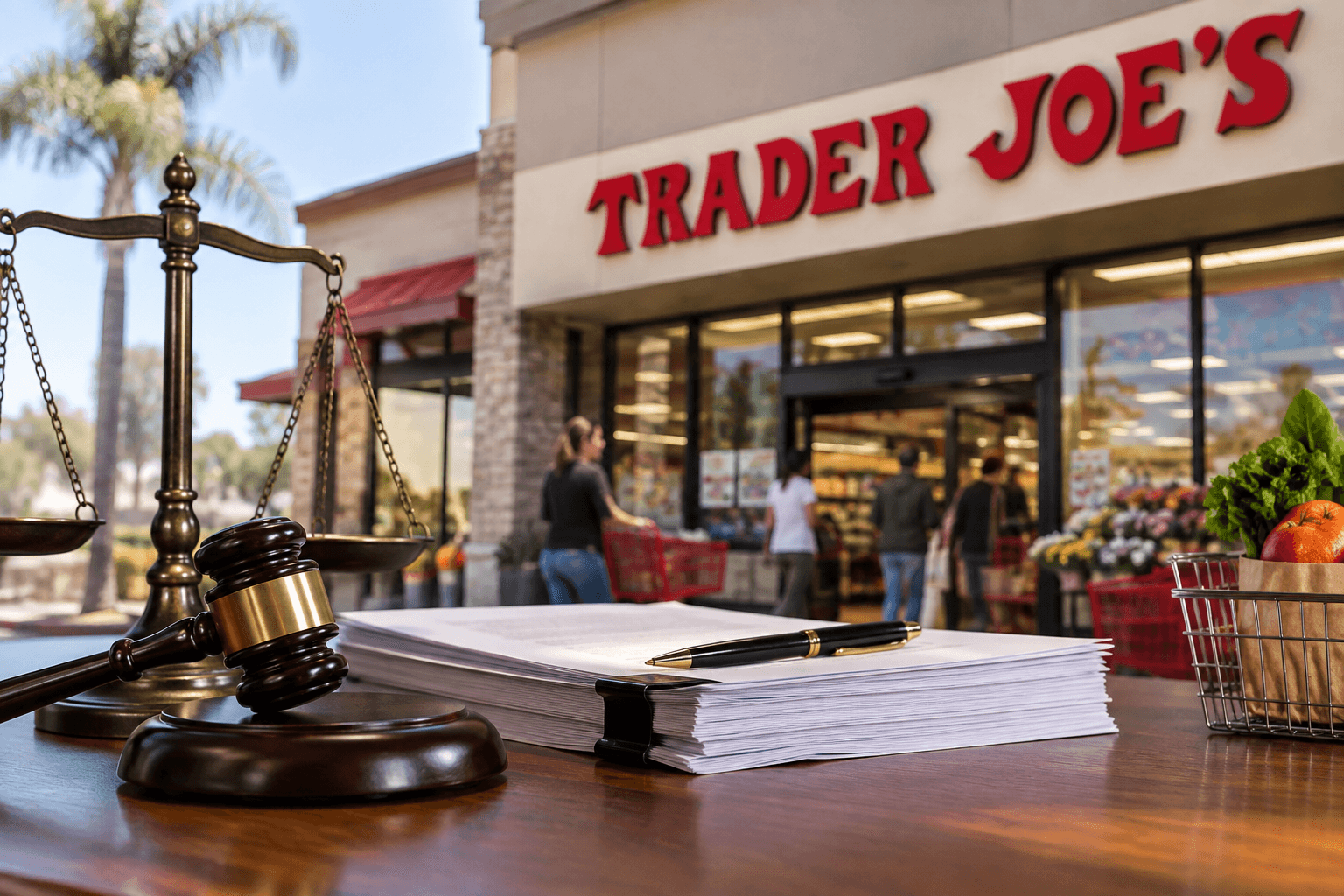
Trader Joe's Reaches $12.47M California Wage and Hour Settlement
Trader Joe's has agreed to pay $12.47 million to settle a proposed class action lawsuit alleging violations of California's wage and hour laws. The grocery chain denies any wrongdoing and says it agreed to the settlement to avoid the cost and uncertainty of continued litigation.
The case, Bartlett v. Trader Joe's, centers on how the company tracked, calculated and paid employee wages. While the settlement resolves the dispute without an admission of liability, it offers a useful checklist of the compliance areas that most often trip up employers.
What the Lawsuit Alleged
According to the complaint, Trader Joe's ran into trouble across several core payroll and timekeeping practices. The employees claimed the company:
- Rounded time punches in a way that left employees underpaid
- Excluded “Thank You” pay from overtime calculations
- Failed to provide required meal and rest breaks
- Failed to pay required overtime, minimum wages and sick pay
- Issued inaccurate wage statements
- Did not reimburse employees for business expenses
- Did not pay wages on time during employment and at termination
Response and What Happens Next
Trader Joe's maintains that it did nothing wrong, framing the agreement as a way to put the litigation behind it rather than an acknowledgment of the claims. A court is scheduled to consider final approval of the settlement on April 22, 2027.
For HR and payroll leaders, the takeaways are practical: review timekeeping and rounding rules to ensure employees are paid for all time worked, verify that overtime calculations include every required form of compensation, and regularly audit wage statements, expense reimbursements and final-pay procedures. The full agreement is available in the Bartlett v. Trader Joe's settlement document.
$12.47M payout. Trader Joe's will pay $12.47 million to resolve a proposed class action over alleged California wage and hour violations.
Broad allegations. Claims spanned time-punch rounding, excluded “Thank You” pay in overtime, missed meal and rest breaks, inaccurate wage statements and unreimbursed expenses.
No admission. The company denies wrongdoing and says it settled only to avoid the cost of continued litigation.
Approval pending. A court is set to weigh final approval of the settlement on April 22, 2027.
Audit now. Employers should review rounding rules, confirm overtime includes all compensation, and audit wage statements, reimbursements and final-pay processes.