
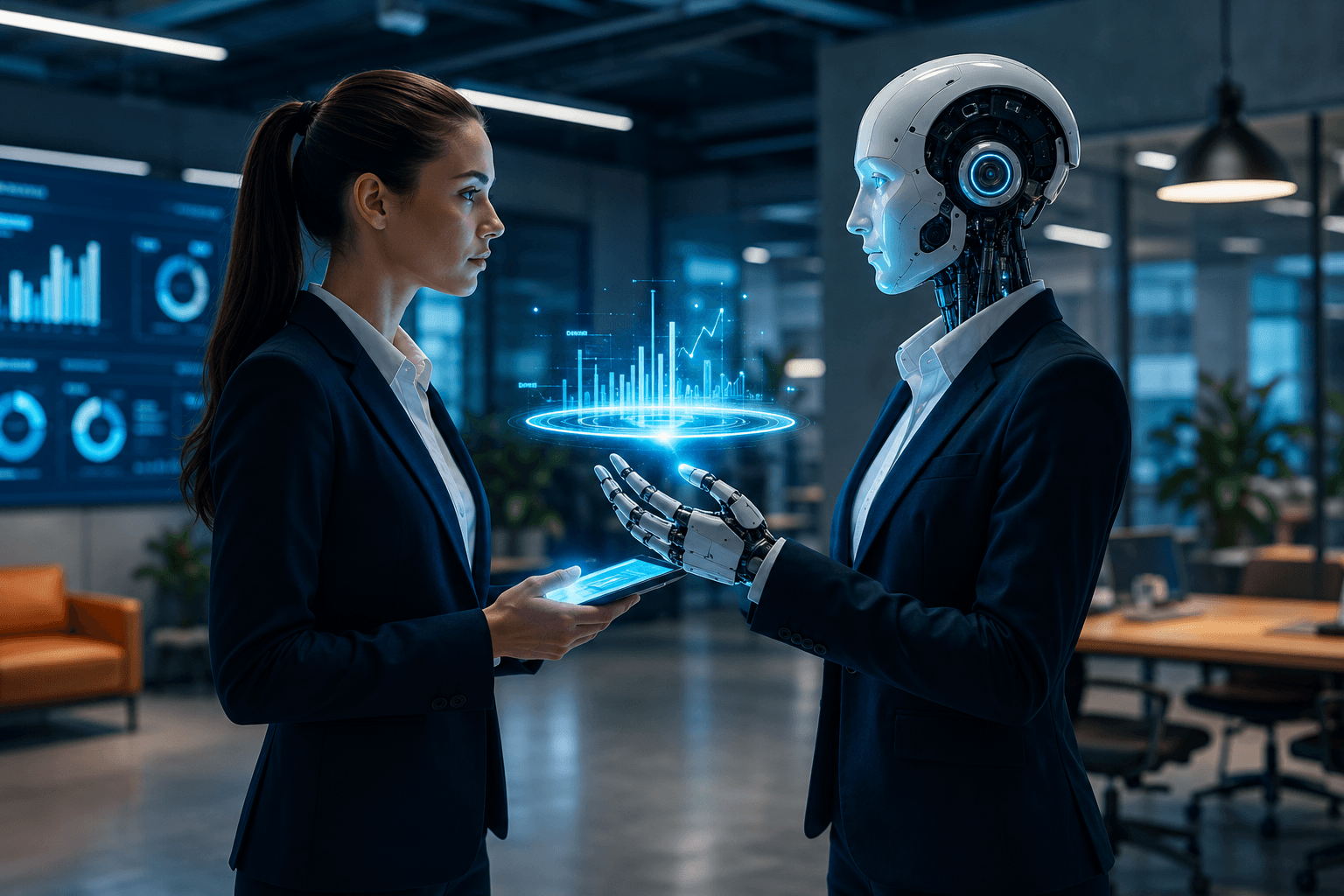
AI Compliance Tools and the Future of HR Governance
Artificial intelligence has already become standard practice across corporate human resources, reshaping how organizations approach talent recruitment, performance management, and data handling. Yet as advanced algorithms take on more of these decisions, companies find themselves navigating a complicated web of legislation — including the EU AI Act and rapidly evolving rules on personal data protection.
To remain compliant while still benefiting from technological advancement, a growing number of corporations are adopting HR governance strategies built around sophisticated AI compliance software — tools designed to mitigate regulatory risk, prevent algorithmic bias, and avoid costly legal exposure. The guiding principle is transparency: algorithmic systems should never perpetuate existing disparities, and compliance-first tooling helps organizations shift from a reactive posture to a proactive one that protects both employees and the business.
"Using software provided by third-party vendors does not relieve the employer of legal responsibility in cases of discrimination or non-conformity."
The Regulatory Pressures Facing Modern HR
HR compliance once covered only conventional employment regulations, safety considerations, and paperwork management. Today, organizations must guard against two dangers simultaneously: non-conformity with traditional labor law, and legal issues tied directly to the use of algorithms. Several class-action lawsuits have already accused leading platforms of discriminatory practices in automated hiring systems that screened applicant resumes.
Those cases surface a few facts that can no longer be overlooked. Employer liability remains absolute — relying on third-party tools does not transfer responsibility. Bias is also frequently inherited: algorithms learn from a company's historical decisions, so past discrimination in hiring or promotion is quietly reproduced under the guise of neutral analysis. And "Shadow AI" is becoming a real problem, as employees who lack vetted corporate tools feed sensitive company and hiring data into unchecked external models, creating major security breaches.
Key Features of Best-in-Class Compliance Tools
Modern compliance systems embed regulatory guardrails directly into daily HR workflows rather than treating compliance as an annual audit checklist. The strongest platforms pair automated bias mitigation — detection engines that continuously analyze recruitment funnels and performance data for disparate impact across protected groups — with independent, automated audit trails that verify hiring algorithms meet equal-employment and regional automated-employment standards.
They also strengthen employee compliance tracking by integrating with the core HRIS to flag incomplete training modules and expiring certifications, and they harden data governance through automated Data Subject Access Request (DSAR) workflows, retention schedules, and consent capture that mask sensitive PII in line with GDPR and CCPA. For multinationals, the best systems extend compliance intelligence into global payroll, taxation, and benefits by checking each process against local labor law.
"Embracing the future of HR governance means treating compliance not as an expensive administrative burden, but as a key competitive advantage."
The Future of HR Governance with AI
Three transformations are reshaping the discipline. First, governance is shifting from reactive auditing to proactive, predictive risk management, with compliance algorithms continuously monitoring for emerging demographic disparities, data threats, and payroll inconsistencies before they escalate. Second, oversight is moving out of silos toward cross-functional steering committees that combine HR, IT security, legal, and procurement to vet every third-party tool against privacy, security, and ethics requirements.
Third, the human role itself is evolving. As models absorb tasks like scheduling, initial screening, and baseline policy communication, HR practitioners must build deep AI literacy — not by writing code, but by understanding how models use data, how to spot algorithmic anomalies, and precisely where automated assistance ends and essential human judgment must take over.
AI's impact on HR is one of the largest operational transformations in business history. Automation unlocks unprecedented efficiency, but it demands equally sophisticated accountability structures. Comprehensive compliance tools are what allow modern organizations to build data-driven, highly efficient teams without surrendering control over fairness, privacy, and legal risk.
Liability stays with the employer. Using third-party or vendor software does not transfer legal responsibility for discriminatory or non-compliant hiring outcomes.
Bias is inherited. Algorithms trained on historical decisions can replicate past discrimination under the appearance of objective, neutral analysis.
Compliance is moving real-time. Leading tools embed bias auditing, DSAR workflows, and retention schedules into daily HR processes instead of annual audits.
Beware "Shadow AI." When companies fail to provide vetted tools, employees feed sensitive data into unchecked external models, creating serious breaches.
Governance is a competitive advantage. The future is proactive and predictive, backed by cross-functional oversight teams and stronger internal AI literacy.