
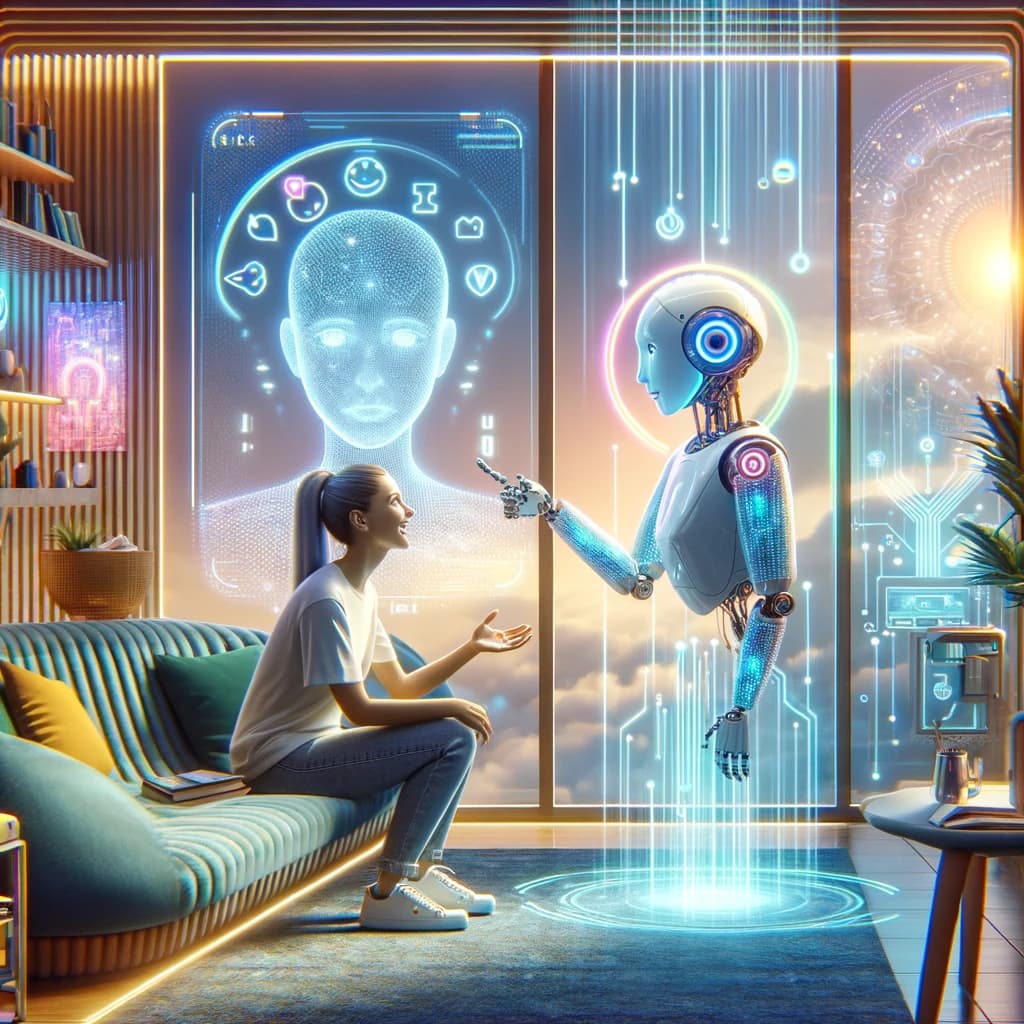
AI in Marketing: Efficiency vs. Emotion
AI has revolutionized marketing, offering unparalleled speed and data-driven decision-making. Marketers no longer have to sift through endless spreadsheets—AI can analyze big data in seconds. However, does this efficiency come at the cost of emotional depth?
The debate is real. On one side, AI-powered campaigns have saved companies millions—Klarna alone cut costs by $10 million in 2024. On the other, AI-generated content like Coca-Cola’s Christmas ad was criticized as lifeless and robotic. So, is AI making marketing soulless, or is it simply another tool that enhances efficiency while keeping human creativity at the forefront?
The Power of Narrative in Marketing
Marketing is about crafting compelling stories that resonate with audiences. While AI can analyze trends, crunch numbers, and optimize campaigns, the true power of storytelling remains in human hands.
AI does not create; it iterates. It refines existing ideas based on human input, but original, emotionally resonant narratives still require human intuition.
Take Super Bowl LIX ads, for instance. OpenAI’s ad featured futuristic visuals with no human faces or emotions. While visually striking, it didn’t rank among the most impactful commercials. Meanwhile, Budweiser’s heartwarming Clydesdale foal ad dominated the rankings. The reason? Human stories connect on an emotional level—AI alone cannot replicate that.
AI as an Enabler of Human Creativity
AI is not here to replace creativity—it is here to enhance it. AI-driven tools are transforming content creation, design, and audience engagement.
For instance, AI can:
- Generate multiple ad copy variations within seconds using tools like ChatGPT.
- Create stunning campaign visuals through platforms like DALL·E, Firefly, and Midjourney.
- Compile marketing insights efficiently using tools like Perplexity and ChatGPT Advanced Data Analysis.
However, AI still lacks the ability to truly feel. While it can predict trends and generate content, the emotional depth of culture, humor, and human experience is irreplaceable.
AI and Emotional Engagement: A Changing Landscape
AI is evolving to interact with consumers on an emotional level. AI chatbots, for example, have transitioned from rigid, scripted responses to dynamic, conversational interactions.
Consider Chai, an AI chatbot app with over 25 million active users and 18 million unique AI personalities. Platforms like Character.AI allow users to engage with AI-generated personas for companionship, brainstorming, and entertainment. The success of these platforms proves that AI can complement emotional interactions rather than replace them.
Consumer Trust in AI Marketing
A 2024 global survey across 31 countries found that 55% of consumers trust AI to collect and combine product information. However, only 23% of Americans trust AI’s role in social media marketing.
This contrast highlights a key concern: While AI enhances efficiency, users remain skeptical about data privacy and the impersonal nature of AI-driven marketing.
Take Coca-Cola’s AI-generated holiday campaign as an example. Critics called out unnatural visuals, poorly rendered logos, and distorted imagery. Despite these flaws, research from System1 and Ipsos North America suggests that many consumers either do not notice or are indifferent to AI imperfections. This underscores a complex relationship between AI content and emotional engagement.
The Rise of AI in Online Shopping
AI is not only shaping marketing strategies—it’s also transforming consumer behavior. Adobe reported a tenfold increase in AI-driven retail traffic from July to September 2024. Approximately 25% of UK shoppers already use AI for online purchases, a figure expected to rise to one-third in the coming years.
Consumers are turning to AI-powered tools instead of traditional search engines to find the best deals and specific products. This shift indicates a growing trust in AI’s ability to enhance the shopping experience.
Final Thoughts: AI and Emotion in Marketing
AI-driven marketing is not devoid of emotion. Instead, AI’s evolving capabilities are reshaping human interaction with technology. The debate over AI in marketing is not black and white—it’s an evolving relationship between efficiency, creativity, and emotional engagement.