
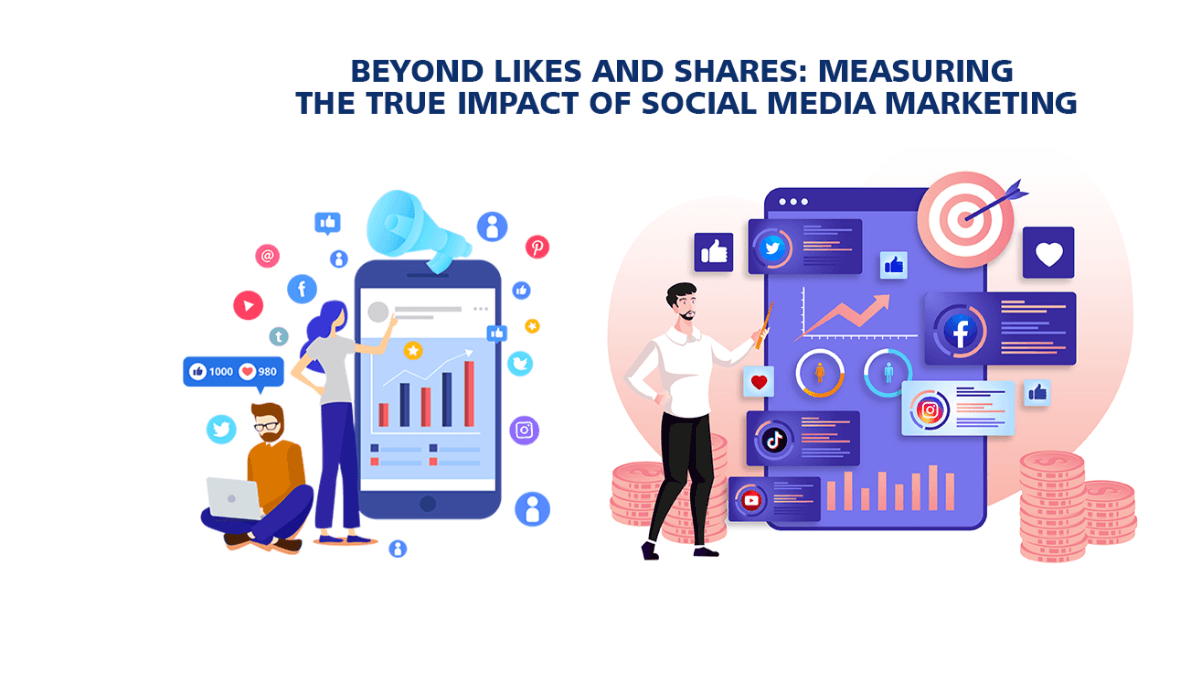
Unlocking the True ROI in Influencer Marketing
When was the last time you glanced at an influencer post without a second thought? You're not alone. With social media feeds overflowing with influencer content, marketers and advertisers are realizing that clicks and likes are no longer sufficient. True success lies beyond surface-level metrics—it's about uncovering the real ROI in influencer marketing.
So, how can brands move past vanity metrics and determine what really matters? Let’s dive into the metrics that count, how Gen Z has redefined the rules, and why the future of influencer marketing might look completely different.
Introducing the Concept of Vanity Metrics
Vanity metrics refer to superficial data points like likes, shares, comments, and follower count. While they may look impressive and are easy to present in boardrooms, they often fail to provide meaningful insights into a campaign’s actual effectiveness.
For years, likes, shares, and follower counts dominated influencer marketing discussions. However, without proper context, these numbers lack real value. Thousands of likes mean little if they don't drive meaningful actions or conversions. This gap has pushed marketers to demand more from their influencer strategies.
Today, the shift is toward metrics that reveal authentic engagement, foster real connections, and lead to tangible outcomes. The focus is no longer on surface-level applause but on achieving meaningful results that drive lasting impact.
Redefining ROI for the New Era
ROI in influencer marketing today is not merely about counting sales figures. It's about balancing tangible outcomes with intangible benefits like brand awareness and positive sentiment. For Gen Z—who have grown up immersed in social media—genuine connection matters far more than aggressive sales tactics.
Modern ROI measures include:
- Conversions: Tools like affiliate links, promo codes, and custom landing pages help track direct purchases.
- Audience Growth and Retention: Attracting followers who stay engaged is key to long-term success.
- Engagement Quality: Comments, DMs, and shares carry more weight than passive likes.
- Brand Sentiment: Using social listening tools to monitor how audiences feel and talk about the brand.
By focusing on these meaningful benchmarks, brands can move beyond vanity metrics to reveal the true impact of their influencer campaigns.
How Gen Z Is Reshaping Influencer Marketing
Gen Z doesn’t just consume content—they analyze it. They value authenticity and can detect paid partnerships instantly. For this generation, ROI isn't about numbers; it's about cultural relevance and alignment with their values.
Here’s what brands must keep in mind:
- Micro and Nano Influencers: Smaller influencers often feel more relatable, leading to higher engagement rates.
- Purpose-Driven Content: Gen Z values causes like sustainability, inclusivity, and mental health.
- Interactive Formats: Gen Z loves TikTok challenges, Instagram polls, and AR filters that drive engagement.
Tools and Techniques to Track ROI
Tracking ROI in influencer marketing requires a blend of creativity and technology. Key tools include:
- UTM Tracking: Adding parameters to URLs to track traffic sources.
- Influencer-Specific Discount Codes: Direct measurement of campaign-driven sales.
- Analytics Platforms: Tools like Hootsuite, Sprout Social, and TikTok’s Creator Marketplace provide real-time engagement metrics.
- Sentiment Analysis and Surveys: AI-powered tools and direct customer feedback gauge emotional impact and brand perception.
Using a holistic approach ensures a well-rounded understanding of campaign performance.
Real Talk: Challenges in Measuring ROI
Measuring ROI isn’t always straightforward. Attribution issues arise when consumers delay purchases after seeing an influencer post. Additionally, long-term brand awareness campaigns require patience, as results may not appear immediately.
Another challenge is the prevalence of fake followers, making it essential to vet influencers carefully. Authentic engagement and audience quality should always be a top priority for brands.
Beyond ROI: The Emotional Connection
Modern influencer marketing success is often measured by emotional resonance. Are campaigns creating memorable moments? Do they make audiences feel seen, heard, or inspired?
For example, a clothing brand partnering with a sustainability advocate may not drive instant sales but can strengthen its long-term brand image as eco-conscious. Emotional connections lay the foundation for lasting loyalty and engagement.
What the Future Holds
The future of ROI in influencer marketing is set to evolve further:
- AI-Powered Personalization: Hyper-personalized campaigns will boost engagement and conversions.
- Community Building: Brands will invest in tight-knit online communities around influencers.
- Long-Term Partnerships: Deep, ongoing influencer relationships will replace one-off collaborations.
Cut to the Chase
Clicks are just the tip of the iceberg. Measuring true ROI in influencer marketing means focusing on meaningful metrics and aligning with Gen Z’s demand for authenticity. So, ask yourself: Are you chasing clicks, or creating something that truly resonates?